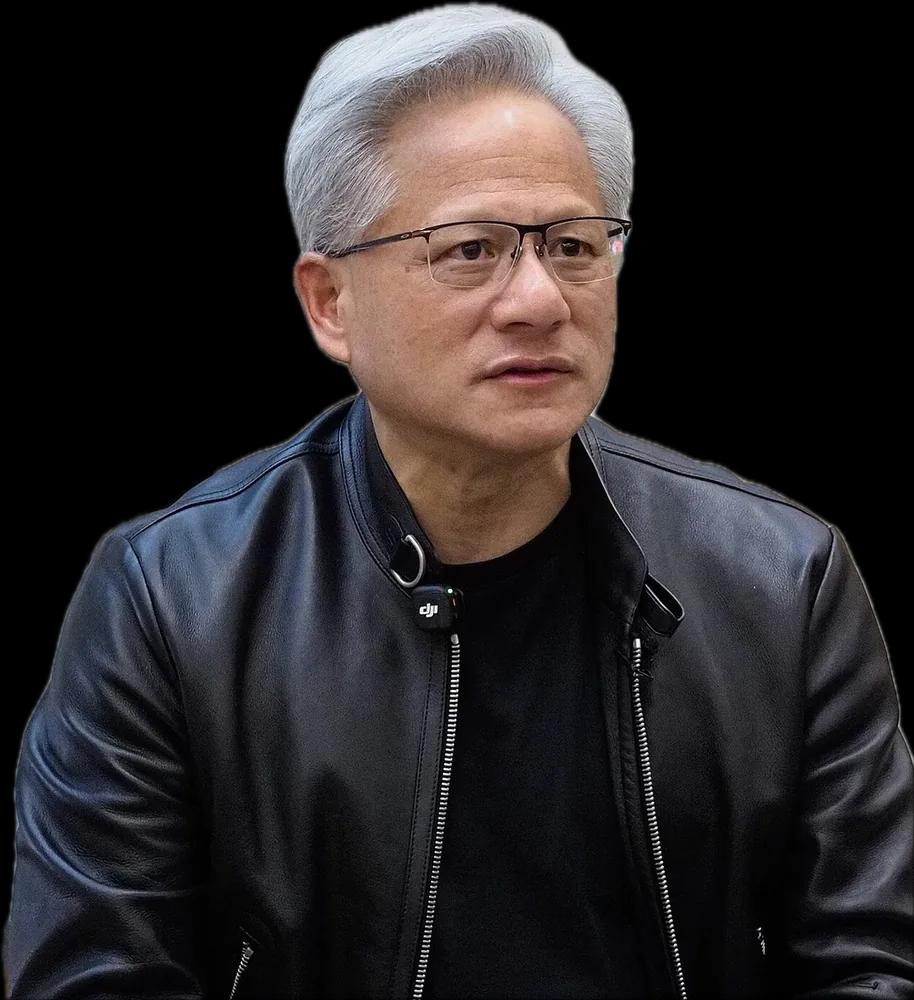
On November 12, 2026, Nvidia's board put out a short announcement. It said "Jensen Huang has resigned as President, Chief Executive Officer, and a member of the Board, effective immediately," according to its filing with the SEC, the agency that oversees the stock market. Huang started the company in 1993 with Chris Malachowsky and Curtis Priem, at a Denny's in San Jose, per Wikipedia, and ran it for 33 years. This piece sticks to the public record as of November 21, 2026. It does not guess at what was said inside the boardroom.
Why he left
Nvidia's announcement gives no reason. CNBC reported that "the resignation came days after Huang admitted to an affair," and that news stories alleged other relationships, including with Nvidia employees. CNBC also reported that Nvidia "has hired law firm Wachtell Lipton to lead a probe into Huang's conduct and whether it compromised national security or company secrets."
Huang spoke for himself on November 17 in a statement posted to X. NBC News quotes him saying "I have made serious mistakes in my personal life" and "I own my mistakes completely, and I am committed to cooperating with the Board's independent investigation."
Who runs Nvidia now
The board named Colette Kress interim CEO. She keeps her old job too. The filing says she "will continue to serve as Executive Vice President and Chief Financial Officer while serving as Interim Chief Executive Officer until a permanent successor has been named." She has been CFO since September 2013, and the board says it "will consider internal and external candidates" for the permanent role.
The same announcement contains a detail that is easy to miss. Harvey C. Jones, a former CEO of Synopsys, became the company's "first-ever Chair of the Board." Until that day, Nvidia had never had a board chair. It created the role on the same day its founder left.
The board's message to customers was continuity. Jones said "we expect the company's operations, customer commitments and product roadmap to continue without interruption."
The quarter that landed five days later
On November 17, Nvidia reported its quarter ended October 25. Per the company release, revenue was $115.8 billion, "up 20% from the previous quarter and up 103% from a year ago." Data center revenue, meaning sales of the chips that train and run AI models, was $107.6 billion. Nvidia told investors to expect about $130 billion next quarter, give or take 3%. Kress, quoted in her new title, opened with "Our momentum is real."
Those numbers mostly reflect orders placed months before the resignation, so they tell you about the business Huang built and very little yet about Nvidia without him.
The offer to come back
Huang's November 17 statement also put an offer on the table. Per NBC News, he wrote: "If the Board of Directors decides that my return is in the best interest of our shareholders, our employees, the company, and America, I would be honored to answer these calls and return as CEO."
The board's side points the other way, at least for now. A day earlier, CNBC cited a person familiar with the matter saying the board "is not considering bringing back Jensen Huang as CEO," and a board representative said it was "in the process of selecting a search firm." NBC reports that Huang has agreed to an interview with three House committees on December 1 about whether Nvidia's sales to China put national security at risk. As of November 21, his return is a public question with no answer.
What founders can take from this
Plan for the day you are gone before you need it. Nvidia's board could name a replacement the same morning because it had a CFO with 13 years inside the company. It did not have a chair, so it had to invent one in the same press release. Most startups have neither. If your company would stall without you for a week, that is a risk your investors are already pricing, whether or not anyone says it out loud.
Your private life is part of the company's risk once the company is big enough. The question in Nvidia's probe is whether the founder's conduct exposed company secrets or national security. Boards treat that as a business question, and they will act on it against the person who built the company.
A public offer to return turns a board decision into a public negotiation. Huang says employees, investors and customers have called for his return, and CNBC reported that President Trump said he is open to it. Whatever the board decides, it now decides in front of everyone.
How this was made: the editor chose the topic; it was researched and drafted with AI from the sources linked above and checked against them before publishing. Editorial standards